Every release of ComfortFiles, the file manager for Mac that brings Windows Explorer habits along,
newest first. The latest version is 1.11.0, released
September 15, 2026 — Out of beta.
The first public beta went out on August 5, 2026; 11 versions have followed
since. ComfortFiles checks for new versions by itself, and after an update it shows what changed.
1.11.0 Out of beta
ComfortFiles is out of beta. It still works for everyone after the free month — a license is $15 a year or $49 once, and until October 31 the first payment is half price. The title bar no longer says BETA.
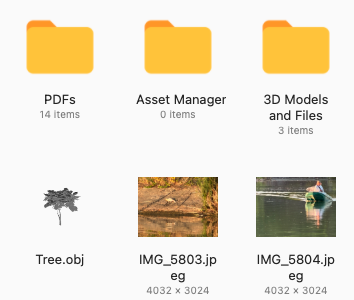
Show Item Info puts a second line under each item in icon view: how many things a folder holds — “0 items” tells you which ones are empty without opening them — and the size of each picture in pixels. Press ⌘J, or turn it on in View or in Settings. How it works →
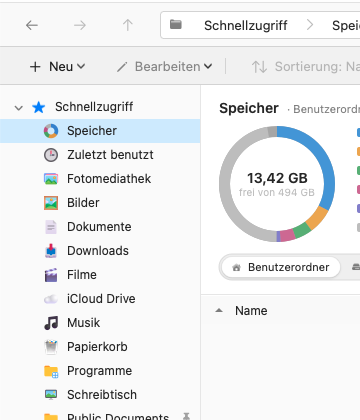
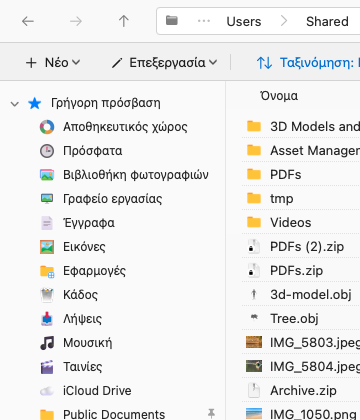
Three more languages: Traditional Chinese, Korean and Greek — eleven in all, picked from your Mac or chosen in Settings. How it works →
About ComfortFiles opens the notes for the version you are running, when there are any — this page, for this one.
Translated sentences in the Storage panel no longer lose their ending when the window has been resized, and the free space under a disk is in your language too.
1.10.0 Eight languages
ComfortFiles speaks English, Russian, Ukrainian, German, French, Spanish, Japanese and Simplified Chinese — and picks yours from your Mac, so on most Macs there is nothing to choose. Every word the app shows is translated, not only the buttons: menus, settings, dialogs and the messages that explain what went wrong. How it works →
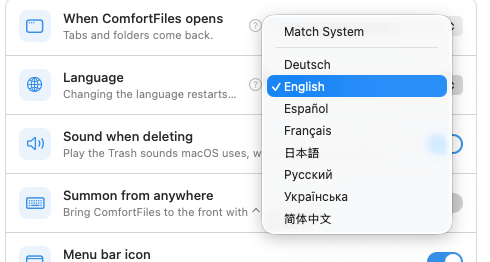
To disagree with what the Mac decided, open Settings (⌘,) and pick from Language on the General pane. Match System is the default and means “whatever the Mac is set to”. ComfortFiles offers to restart, because an app reads its words once, when it starts. How it works →
Mermaid diagrams draw themselves in the Markdown preview — flowcharts, sequences, Gantt charts — and you can zoom one with ⌘ and the scroll wheel, or drag it around, the way a map works.
The status bar describes what you selected: the size, the pixel dimensions of a picture, and when it was created and last changed.
Storage asks before it removes anything, one file or twenty — the question names what it is about to take and what it frees. The Trash group now lists everything that is in the Trash rather than only the large items, so what you see and what “Empty the Trash” takes are the same thing.
Report a Problem and Request a Feature are in the ComfortFiles menu now, next to Settings and License, instead of only under the ⋯ button.
Two crashes fixed: one that could happen while a folder was being watched for changes, and one while a window was opening.
1.9.0 Dark mode
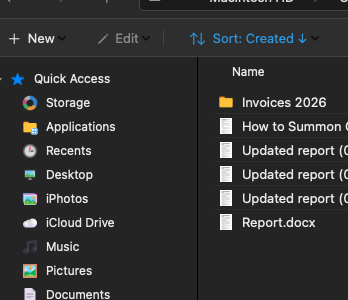
ComfortFiles follows your Mac between light and dark, including the automatic switch at sunset — while it is running, with nothing to restart. Or keep it on one theme whatever the Mac is doing: Settings ▸ View ▸ Appearance. How it works →
Settings is three panes now — General, View and Integration — instead of one long page you had to scroll. The window resizes to the pane you pick.
Moving files to the Trash and emptying it play the sound macOS itself uses, once per action rather than once per file. Turn it off in Settings ▸ General, and it stays quiet anyway if you have switched off interface sounds for your Mac.
A tab left on Storage comes back from a restart called Storage, instead of showing the name of the folder underneath it until you clicked it.
The filter list on a column is as wide as the longest name in it, so a type like “Developer Provisioning Profile” is readable instead of cut off.
Deleting no longer sometimes asks whether to delete permanently and then reports a failure — that happened when a file had already gone, and there was nothing left to say.
Dragging a picture out of the photo library no longer leaves an empty file behind when its full-size copy could not be fetched from iCloud.
The eject and pin buttons in the sidebar stay inside it, instead of sliding past the edge on a long folder name.
File sizes in search results are the real ones. Some rows read “Zero KB” because Spotlight had not filled that in yet.
1.8.0 Where your disk space went
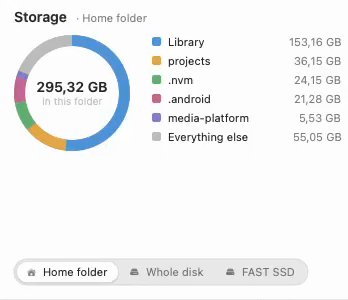
Storage measures your home folder, the whole disk, or any drive you have plugged in, and shows where the room went — then lists what is worth a decision: large files and folders, app caches, leftovers from apps you removed, downloads you have not opened in a year, and duplicates. It is in the sidebar under Quick Access. How it works →
Duplicates are matched by what is inside them rather than by name — two files are called copies only when they are byte for byte the same.
Nothing is moved or deleted until you say so, and what you do remove goes to the Trash, so ⌘Z brings it straight back.
A whole-disk scan no longer counted parts of the disk twice, and no longer missed folders macOS hides — so the total is the room actually in use.
1.7.0 The text inside your pictures
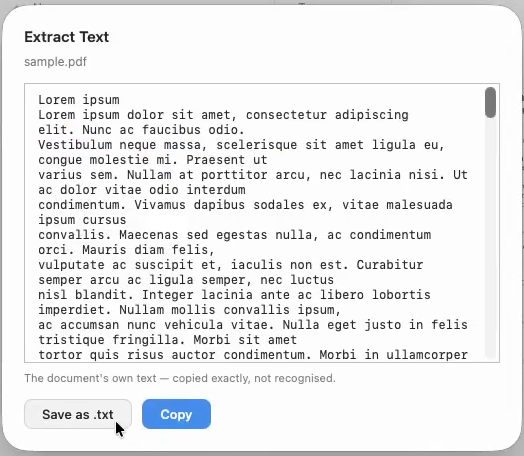
Pull the text out of a screenshot, a photo or a scan — right-click an image or a PDF and choose Extract Text. Thirty languages, read on your Mac, nothing uploaded. How it works →
Searching inside a folder now reads the folder itself, so it finds what is there even when Spotlight has not caught up.
Fixed a freeze when a text file was selected while a PDF was being previewed.
Long jobs say what they are doing and can be stopped part-way.
1.6.0 Colour for code, and where your space went
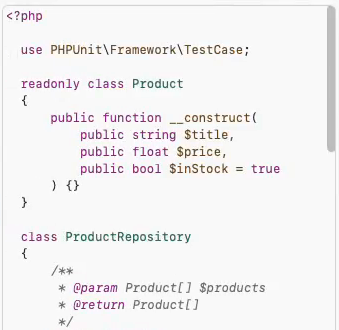
Source files preview in colour — Swift, PHP, Python, JavaScript and thirty more — in the side panel and under the space bar, with a switch for wrapping long lines and line numbers in the big preview. How it works →
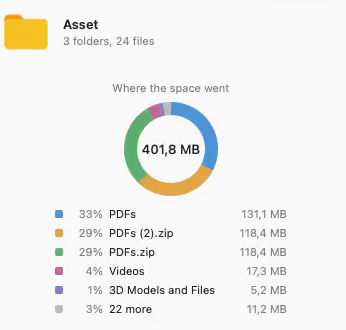
Press Space on a folder to see where its space went: the biggest things inside it as a ring, with their share and size. Click one to go there. How it works →
Typing right after clicking a folder in the sidebar now looks for a file in that folder, instead of jumping around the tree and taking you with it.
The file you had selected comes back when you reopen the app, together with the folder, the view and the panels.
1.5.0 A command bar
A command bar along the top of the window: New, Edit, Sort, Group and Refresh, where Explorer keeps them. How it works →
Markdown files read as formatted documents in the preview panel. How it works →
New ▸ File, with the file types you actually use. How it works →
Typing a name walks through the matches, and Applications shows Apple’s own apps as well as yours.
1.4.0 Your photo library
Browse your Photos library in the sidebar and drag pictures out of it. How it works →
Create and open password-protected ZIP archives. How it works →
Video plays in the preview panel, with scrubbing. How it works →
Windows-style keys: ⌥← / ⌥→ for back and forward, F5 to refresh — and bug fixes. How it works →
1.3.0 Move To, Copy To and your iPhone
Move To and Copy To — send files to a folder without opening it.
Open files and folders with your own choice of apps. How it works →
Take a photo or scan a document with your iPhone straight into a folder. How it works →
Remove location and camera data from your photos. How it works →
1.2.0 PDF tools
PDF tools: merge, split, rotate and extract pages. How it works →
 How it works →
  How it works →